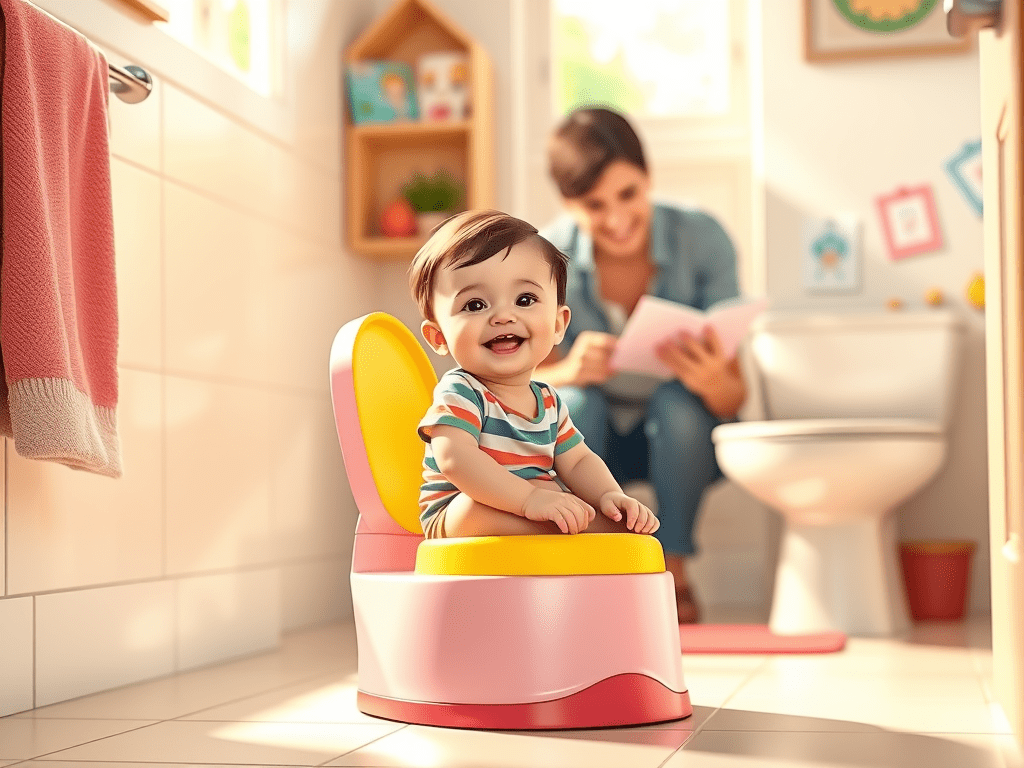
Potty training—whether you call it toilet training, potty learning, or something else entirely—is one of those milestones that every parent eventually has to face. But why do so many parents put it off? I can’t tell you how many times I’ve heard, “We’re waiting until the summer!” Well, here’s the thing: whether it’s December or June, scrubbing pee off the carpet or cleaning up accidents on the floor is never fun. So, what’s really holding you back from starting?
I’ve worked with many parents, and I’ve heard every excuse under the sun. The most common is waiting for the “right time,” but here’s a little secret: peeing on the potty is actually the last step in the whole process. The learning begins way before your little one even sits down on that toilet. Let’s dive into how you can start preparing yourself for potty training, because it’s not just about your baby!
Step 1: Check the Basics – Is Your Child Ready?
Before diving into potty training, it’s important to ensure your child’s body is ready. Take a moment to think about these things:
- Are they pooing regularly?
It’s vital that your child is having regular bowel movements—at least once a day. If they’re not, you may want to rule out constipation before moving forward with potty training.- Yes: Awesome! Keep a note of when they tend to go, especially after meals.
- No: Check their water intake. The Association of UK Dietitians recommends the following daily water intake:
- 1-2 year olds: 880-960ml
- 3-4 year olds: 1040ml If your child isn’t drinking enough, increasing water intake could help regulate their digestive system.
Step 2: Can They Dress Themselves?
Potty training requires some physical independence, especially when it comes to getting dressed. Can your child pull their trousers or pull-ups up and down?
- Yes: Fabulous! Start practicing by encouraging them to take off their trousers or pull them down when changing or dressing. It might slow you down at first, but it’s a helpful skill for when they’re learning to use the potty.
- No: No worries! Start with small steps like encouraging them to pull off socks or tabs on their nappy, or even pull up their pull-up (tip: check inside first).
Step 3: Interest in the Toilet
This one is a biggie—are they showing curiosity about the toilet?
- Yes: You’re in a good spot! Start showing them what happens in the toilet. Let them watch as you flush the toilet, and let them help with the hand-washing afterwards. You can also dump the contents of their dirty nappy into the toilet to show them where it goes.
- No: That’s okay! You can spark their interest by using storybooks, cartoons, or apps that talk about using the toilet. Make it fun and relatable.
Step 4: Timing Isn’t Everything, But Preparation Is Key
It’s common to think that there’s a perfect “window” to start potty training, but honestly, the best time to start is when you feel ready and your child shows the signs of readiness. The process of potty training doesn’t have to be rushed—it’s more about preparing them (and yourself!) for success. And remember, it’s not just about when you start—it’s about how you start.
Step 5: Get Ready, Get Set, Go!
Once you’ve worked through these basic steps, it’s time to roll up your sleeves and get started. But keep in mind, potty training isn’t just about teaching your child how to pee on the toilet. It’s about building their confidence and making them feel comfortable and capable.
The truth is, starting potty training doesn’t have to be overwhelming. If you follow these simple steps and keep an open mind, you’ll be on the path to success in no time.
I hope this has helped! If you have any questions or want to chat further about potty training, don’t hesitate to get in touch. I’d love to help!
Let me know how you get on!
Nyasha

 Your little way